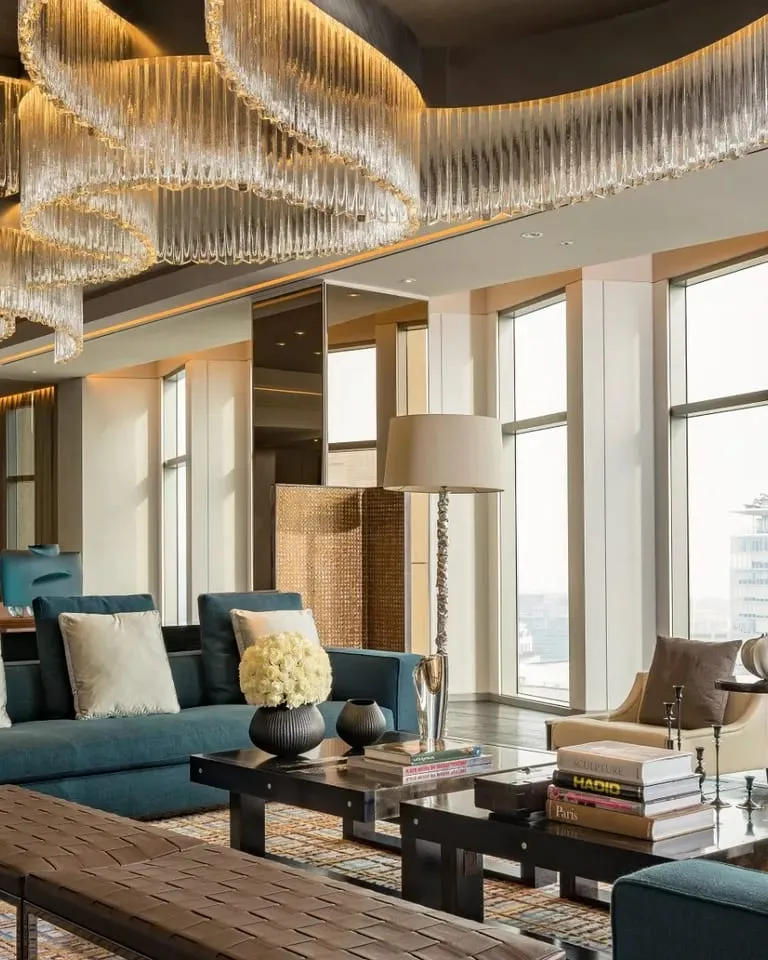
Before a hotel repeats a room design across a building, somebody has to stand in one.
For most projects, that means a physical mock-up room. It takes weeks to build after the design is signed off. Few people see it. Then it is demolished.
Why rooms change late
Drawings and still renders don’t let a reviewer feel a room. They show the layout and the finishes, but not what it is like to stand in the room.
So reviewers sign off what they can’t fully picture, and react when they finally stand in it. By then the drawings are coordinated, costed and filed. A change at that point is expensive and can move the programme. On a tower of repeating rooms, it is made in every room of that type.
The answer is to move the review earlier, while the design is still cheap to change.
What a virtual mock-up changes
A virtual reality (VR) walkthrough lets reviewers stand inside the room at full scale during design, not after it.
- Compare in place. Finishes, lighting and FF&E (furniture, fixtures and equipment) can be swapped without rebuilding anything. Three options can sit side by side in the same room.
- Review from anywhere. The design team, the brand standards team and the general managers on property can walk the same room from wherever they are.
- Decide in the room. Decisions are made while everyone is looking at the same thing, not passed back and forth as PDFs.
- Hold the brand standard. Each property can be checked against the brand before construction starts.
- Catch it before the defects list. Off-spec details show up in the headset, not in the punch list at handover.
How ddx VX works
ddx VX does it in three steps.
- Upload. The design team drops in its SketchUp, Revit or Twinmotion file. Each client’s files are stored separately from everyone else’s.
- Render. Unreal Engine 5 renders the room on cloud graphics processors, started when they’re needed. You pay only for the minutes you walk.
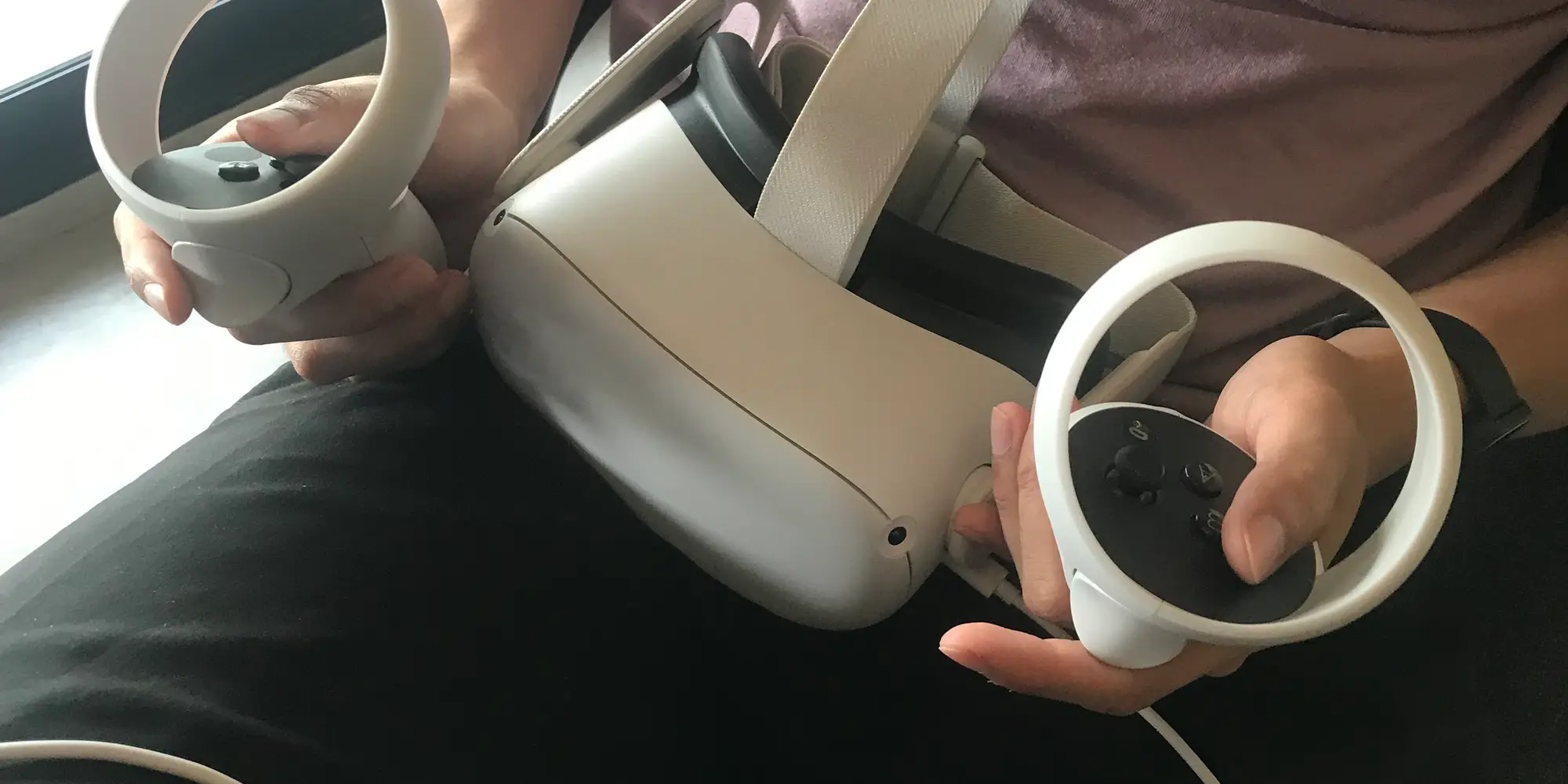
- Walk it. Anyone with a Meta Quest 3 headset opens a link and steps inside. There’s no app to install and no headsets to ship.
A room can be ready in a day. Because the rendering happens in the cloud and streams to the headset, the headset stays light, and an update reaches every location from a single source.
Making it feel real
A room on a screen is still a picture. Three things make it a review.
Furniture you can sit on. The host venue places a bed and the main pieces to match the model, aligned to within about 50 mm. Reviewers can sit on the bed they see.
Lighting that changes. Presets such as daytime and evening switch inside the headset, so reviewers see the room by day and in the evening.
Comments that reach the designer. Each session is facilitated. Reactions and change requests are captured on the spot and handed to the design team as structured comments.
The room is built once and reused. When the designer issues a revision, the scene is refreshed from the updated model rather than rebuilt, so each round of review costs little next to the first build. The same model can serve a brand’s rollout across several cities.
That makes it useful to anyone signing off a room that will be repeated: a brand taking a standard room to new markets, or a developer reviewing a tower’s hotel rooms and residences with its designer before the drawings are locked.
What it needs, and what it doesn’t do
VX streams high-definition video, so the network matters. We recommend a dedicated router on a wired connection of at least 100 Mbps in both directions, not shared guest Wi-Fi. The venue also provides a meeting room, the furniture and two power outlets.
It visualises the designer’s work. It doesn’t author it. Design, styling and art direction stay with the design team, and VX shows them what they’ve drawn.
Read more about ddx VX.