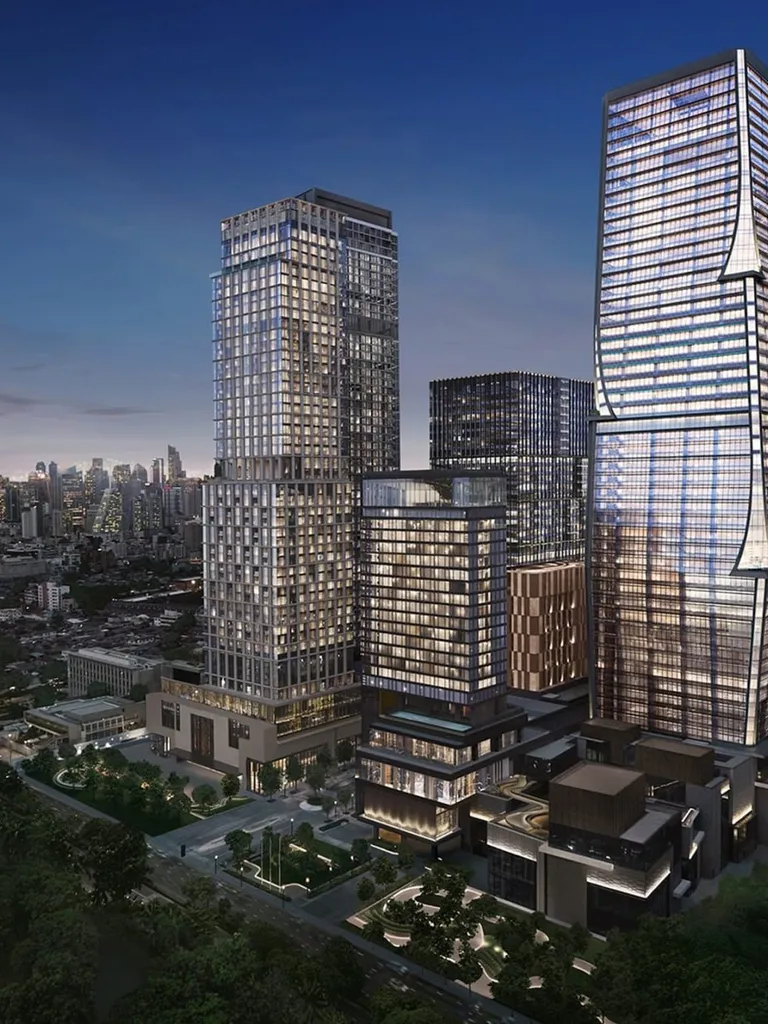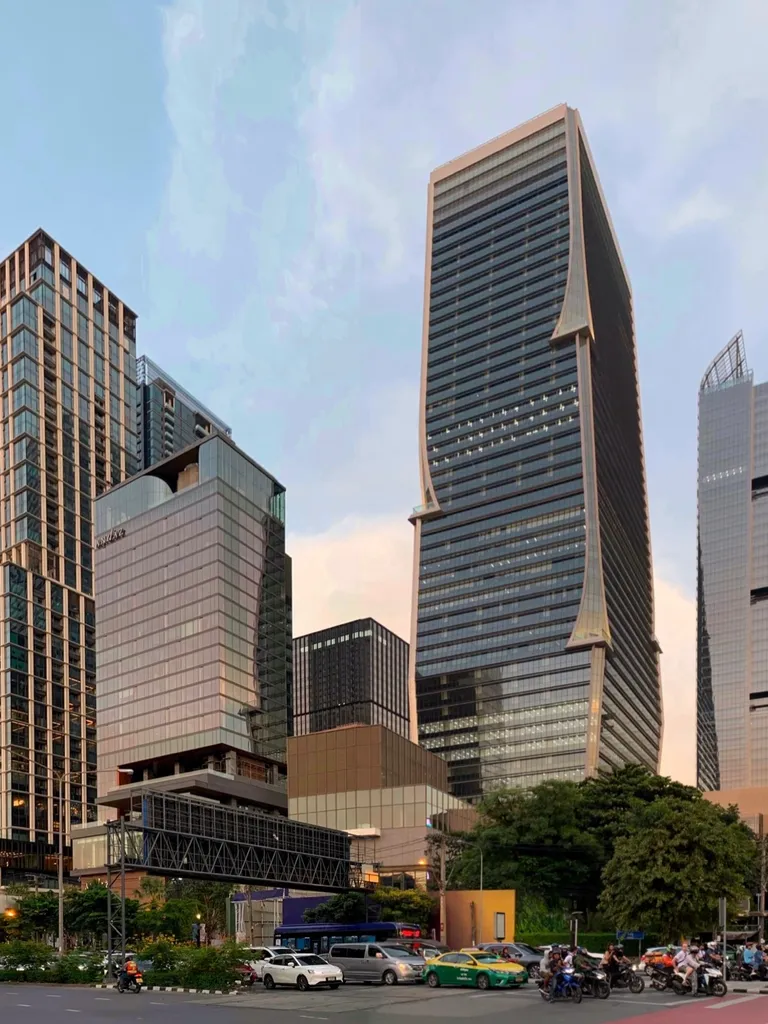
One Bangkok: Smart city at scale
250,000+ IoT sensors across the district
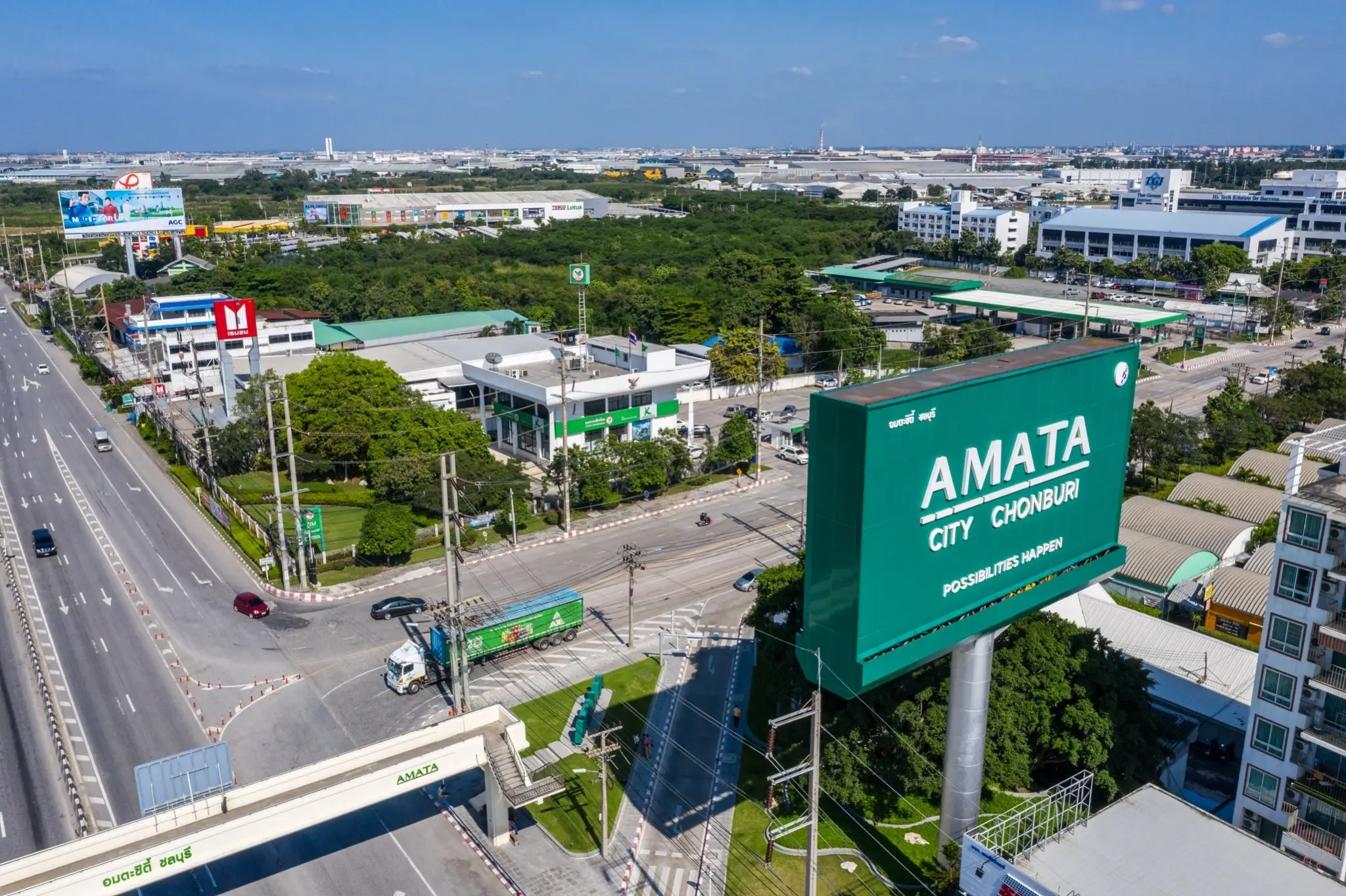
AMATA and B.Grimm Power
A market study is worth what it reports, and that includes reporting that the demand is not there yet.
AMATA Corporation develops and runs industrial estates in Thailand’s Eastern Economic Corridor (EEC), the government’s investment zone east of Bangkok. In February 2023 it agreed with B.Grimm Power to develop the AMATA European Smart City: 200 rai, or 48 hectares, of greenfield land in AMATA City Chonburi, set aside for high-tech manufacturers from Europe.
European companies bring requirements other investors don’t, most of all on environmental, social and governance (ESG) standards. A smart industrial city could be built to meet them from the start. B.Grimm Power would supply the energy and utilities.
In July 2024 ddx signed a strategic partnership with both companies to work on smart city projects. This study was the first. The schedule was short: three months of work, for two clients.
The first phase of the project: a strategic plan, a market analysis, and the investors, partners and stakeholders to approach. It had to end in material AMATA could put in front of European investors.
ddx started with the two clients. Workshops with AMATA and B.Grimm executives, then regular working sessions, a questionnaire run with both companies, and a site visit to Chonburi. These became a stakeholder needs report and an agreed vision, goals and objectives.
For the view from Europe, ddx held roundtables with chambers of commerce, including the European Chamber of Commerce and the Polish chamber, and interviewed industry specialists. Questions went to each interviewee in advance.
The strategy came next: market positioning, an investor attraction strategy and an implementation strategy. The market analysis started from demand, then worked sector by sector and industry by industry to choose what to promote. It named potential foreign direct investment (FDI) investors, joint-developer partners and stakeholders, the smart city services the site would need, and the tax and business incentives that would draw investors in.
The work closed with an investment teaser and an executive summary for a European investor roadshow, and a roadmap for the next phase, with a project management plan.
A project charter, weekly reports and weekly meetings kept both clients informed. Every report went out as a draft for comment before the final.
ddx delivered 16 reports: a strategic plan, a high-level market report, the investment teaser and the executive summary.
The market study reported what one industrial property specialist told ddx: there was no demand yet in Thailand for this kind of development. AMATA put the project on hold and turned to its estates for Japanese and Chinese investors, where demand, particularly in automotive, is stronger.
ddx later briefed AMATA’s new deputy chief executive on the findings and the next steps, so the work is ready when the timing is.
On a three-month schedule, a lost week is close to a tenth of the project. Each report needed review before the next could start, so the time a review took decided when the project finished.
Shorter feedback cycles helped most. Shorter, summary-led documents and drafts shared early got quicker answers and better-aimed advice. The lesson for the next study: agree at the start how reviews and approvals will work.
Co-founder and Partner
Leads real estate at ddx: development management, design and delivery for Marriott, Kasumigaseki Capital and One Bangkok. An architect with 25 years in hospitality and commercial projects, formerly Worldwide Head of Design for Amazon’s operations real estate and Executive Director of AvroKO’s Asia studio.
Whether you're starting something ambitious or restarting something that's lost momentum, we'd like to hear about it.