Nikkei: An education case study platform built for Asia
120+ Asia-focused case studies and growing
WorkAXIS House
Great design and an easy-to-run site don't have to pull against each other. Building the designer's vision from reusable components kept it polished and kept it in the client's hands.
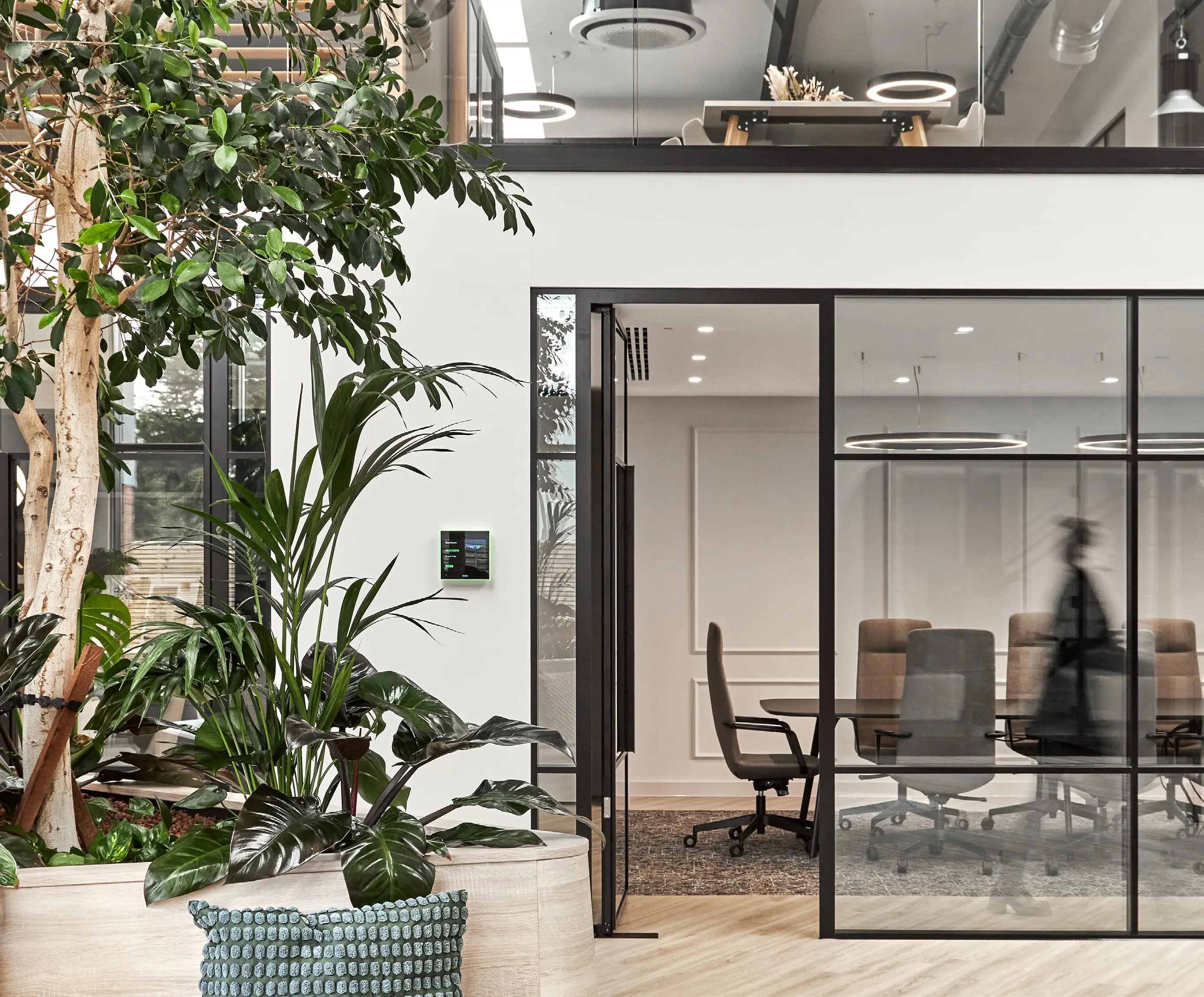
AXIS House, an office design and fit-out company in Dorset, had just moved into its own custom-designed office. Its website worked, but it no longer felt premium or reflected the business.
The new site had to carry the quality of that office online, show the standard of its work and bring in new business. Its marketing team needed to update it themselves, without calling a developer for every change.
AXIS House’s design lead had already set the creative vision. ddx’s job was to build it faithfully while making the site work: fast, easy to use on any device, simple to edit, and connected to the company’s marketing tools.
Launch a site the marketing team could run from day one, with every page built from a shared component library.
The work ran in four stages: planning, design support, development and handover.
Planning agreed the objectives, the routes visitors would take through the site and how success would be measured. It then produced a sitemap and simple wireframes, including where HubSpot would capture enquiries.
AXIS House’s design lead created the design, and ddx worked closely with them throughout so the finished site matched it, advising on interaction, motion and usability and prototyping the harder interactions before the build.
The site was built in WordPress from a library of 42 reusable components, which the team can combine to build new pages without a developer. Shared styles keep type and colour consistent on every screen size. Sixteen page templates cover everything from the homepage, services and portfolio to the team, impact, blog and office guides. HubSpot runs the enquiry forms, live chat and meeting booking, and Yoast handles search settings.
The site also had to show AXIS House’s work in large, high-quality images and still load quickly. Images are optimised to keep files small while staying sharp, and each one only loads when a visitor scrolls to it, so pages open quickly even when they are full of photography. Caching and slimmed-down code take further weight off every page.
Before launch, the site was tested on a separate test site for speed, display on different devices, accessibility and browser support.
Handover was in person, backed by a content management guide and six short how-to videos: adding a case study, a guide, a team member, a testimonial or a blog post, and editing images and video.
AXIS House’s marketing team now manages its own content, adding new case studies and news stories every week. Because every page is built from the same components, new content keeps the site’s premium look without needing a designer or developer.
Since launch, ddx has looked after the site under a maintenance plan. The plan keeps WordPress and its plugins up to date, scans for security threats, takes daily backups and tests that they restore, and monitors speed and uptime.
The same plan covers ongoing improvements as they come up, such as security hardening, better analytics and search engine optimisation, as well as new features like a case study gallery and a new landing page.
The biggest challenge was building someone else’s design exactly as they intended it. AXIS House’s design lead had created an ambitious site, with motion and interactions that are complex to build. ddx built the hardest ones as working prototypes first, so any problems came to light early and could be solved without compromising the design or performance.
The second was keeping the site fast once it was in the marketing team’s hands. A site that sells high-end fit-outs needs large, high-quality photography, and the team adds new content all the time. Rather than rely on the team to prepare every image by hand, ddx set the site up with tools that optimise images automatically as they are uploaded, so new content stays sharp and pages stay quick. The maintenance plan then keeps an eye on speed as the site grows.
What we learned:
Prove the hard parts first. Prototyping the most ambitious interactions before the build protects the design and avoids surprises late on.
Make speed automatic. When a client’s own team runs the site, the right tools should keep it fast for them, so they can focus on the content.
Launch is the start, not the end. An ongoing maintenance plan means the site keeps improving after go-live, rather than slowly falling behind.

Co-founder and Partner
Leads technology at ddx: systems integration, AI and digital products, including One Bangkok’s smart city platform. Before ddx, led large-scale enterprise projects and technology companies.
Whether you're starting something ambitious or restarting something that's lost momentum, we'd like to hear about it.