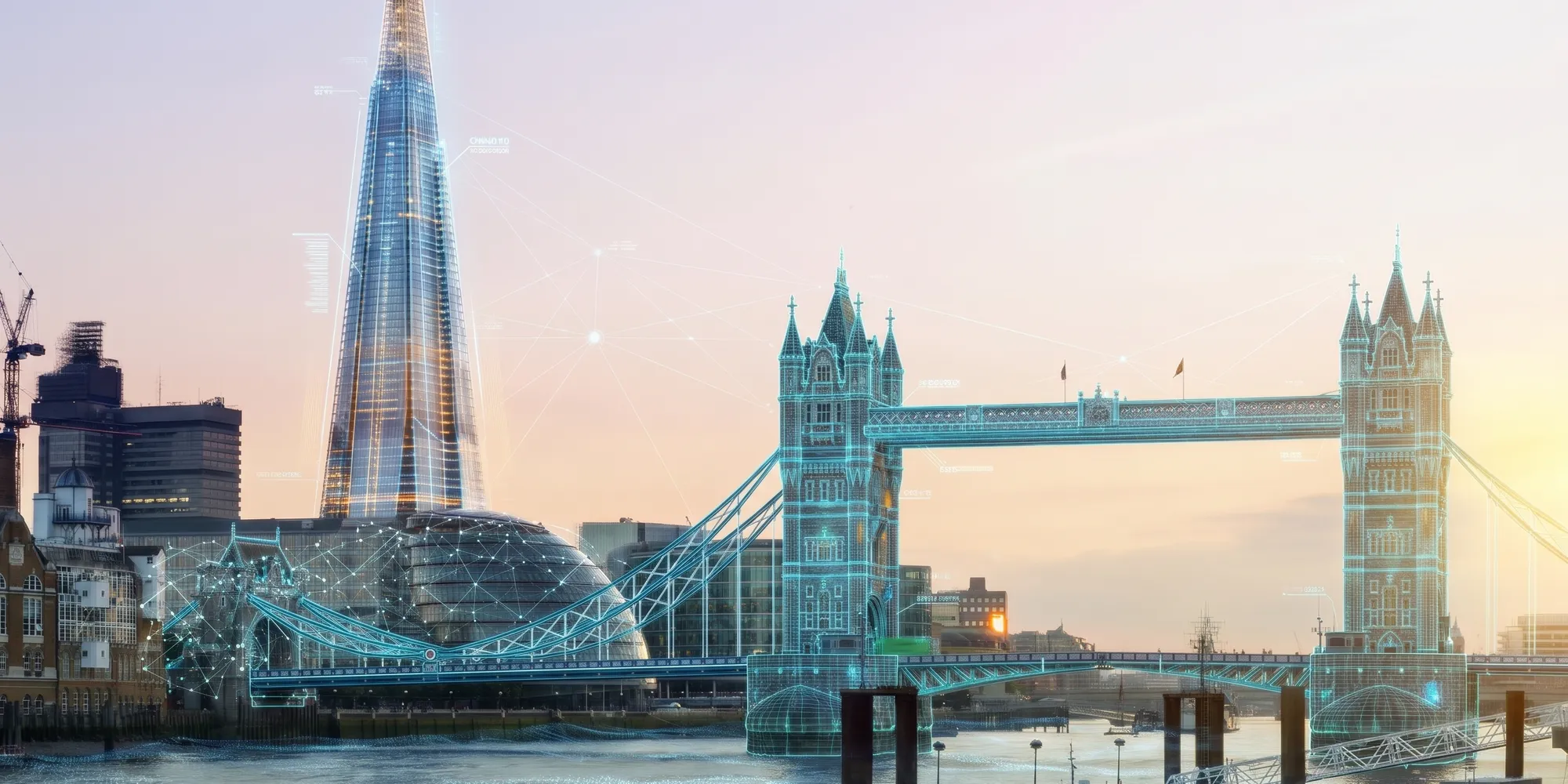
A digital twin of a building is a digital model kept in step with the real building by live data from its systems and sensors. Where a 3D model shows what was designed, a twin shows what is happening now, so operators can monitor the building, find faults, and test changes before making them.
The term is used loosely. Vendors call everything from a 3D walkthrough to a full simulation a digital twin, which makes it hard for an owner to know what is being offered. This post sets out what a twin is made of, how it differs from the models a project already produces, and what has to be in place before one is worth buying.
What goes into a digital twin
A digital twin has three parts.
- A model of the asset. The building’s geometry, its spaces and its equipment, with the information attached to each: what it is, who made it, when it was installed, how it should be maintained. On most projects this starts from the design and construction models.
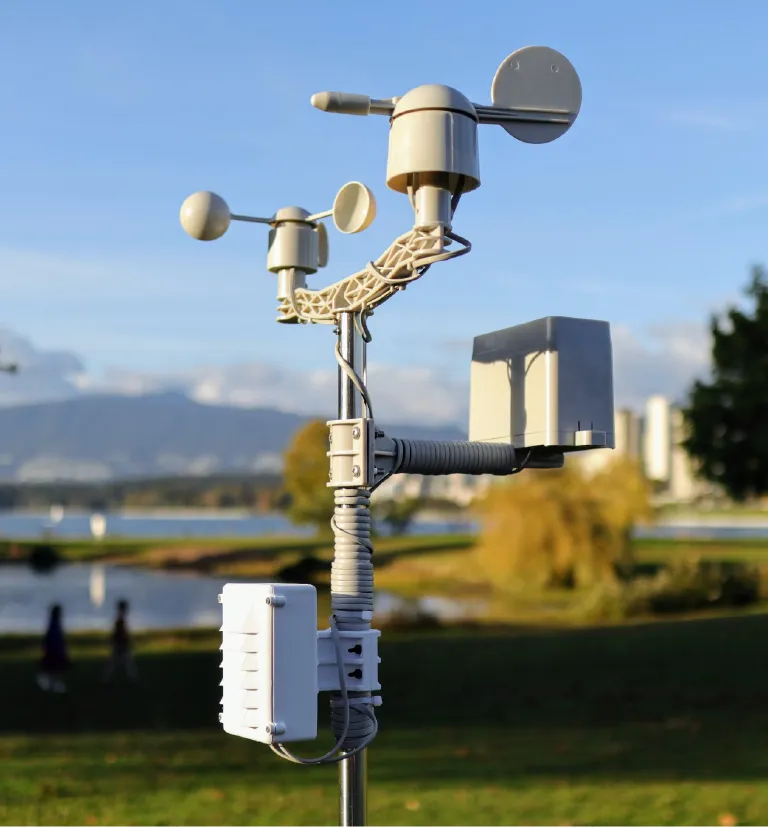
- Live data. Readings and events from the building’s systems: the building management system (BMS), energy and water meters, access control, lifts, and Internet of Things (IoT) sensors for occupancy, temperature and air quality.
- The link between them. Every sensor and system mapped to a place and an asset in the model, so a reading can be seen where it happens and an alarm can be traced to the equipment that raised it.
Twins are often described in levels, by what they can do with that data.
- Descriptive: the twin shows the building’s current state, in one place.
- Predictive: it uses history and patterns to forecast, for example which equipment is likely to fail.
- Simulating: it tests a change before it is made, such as a new cooling schedule or a different layout of a floor.
Most buildings that have a twin today are at the first level. It is still useful: one view of a building is more than most operators have.
Digital twin vs BIM
Building information modelling (BIM) is the way a building’s design and construction information is created and managed, usually around a 3D model. ISO 19650 is the international standard for managing that information over the life of an asset. Read ISO 19650 explained for clients.
A BIM model and a digital twin can look the same on screen. The difference is what they are connected to and when they are used.
| BIM model | Digital twin | |
|---|---|---|
| Shows | The building as designed and built | The building as it is running now |
| Data | Design and construction information | That information, plus live data from systems and sensors |
| Used mainly | During design, construction and handover | During operation |
| Kept current by | The project team, at each revision | The building’s own systems, continuously |
The two connect at handover. The asset information the project hands over, often in the COBie format (construction operations building information exchange), can become the twin’s starting model. If that information is incomplete or inconsistently named, the twin inherits the problem.
Digital twins in construction
The term is also used during construction, for a model compared regularly against the site. Laser scans, photographs and drone surveys are checked against the design model to measure progress and catch work that departs from it. Some teams link the model to the programme to plan the sequence of work.
This is useful, but it is a different thing from an operational twin. It is about the building being built, and it stops when the building is finished. An owner buying a “digital twin” should ask which one is meant.
From buildings to districts: smart city digital twins
At district or city scale, a digital twin models streets, utilities, transport and public space as well as buildings. It is used to plan new development, manage energy and water across many buildings, model traffic, and coordinate the response to incidents. City-scale modelling is sometimes called city information modelling (CIM).
District twins are harder for one reason above all: the data belongs to many parties. Building owners, operators, utilities and public bodies each hold part of it, in different systems, under different rules. Before any modelling starts, someone has to agree who shares what, in what form, and who may see it.
What a twin needs first
A twin is only as good as the data beneath it, and most of the work of a useful twin is done before the twin itself.
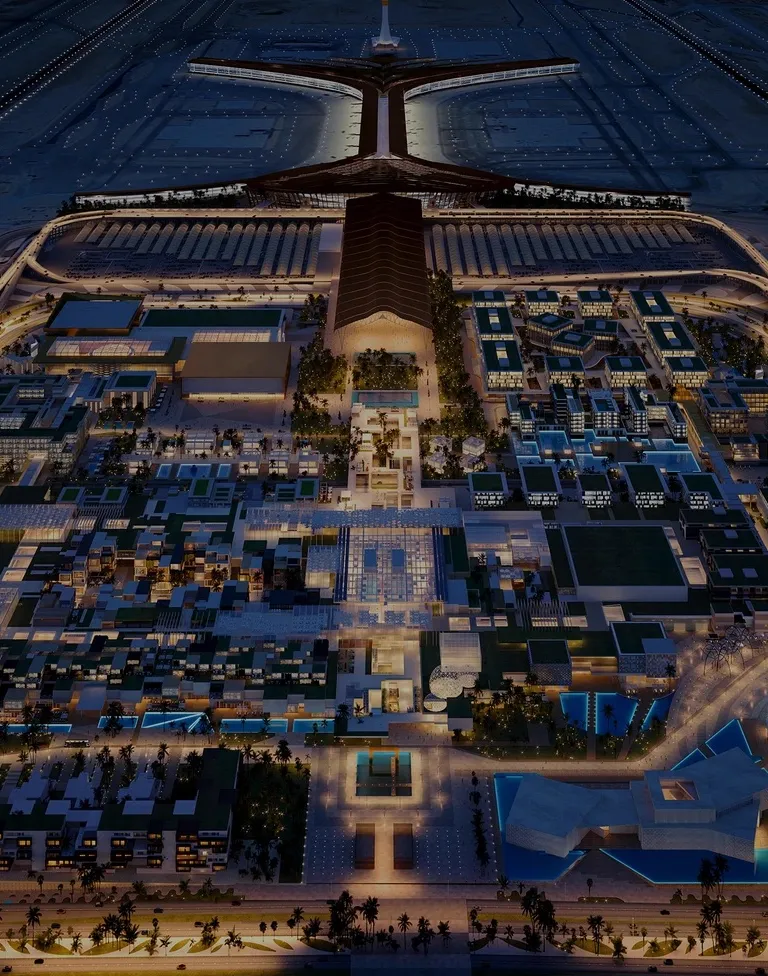
- Integration. Live data has to reach the twin from every system, in a consistent form. At One Bangkok, ddx designed and delivered a central, vendor-neutral platform that connects more than 30 operational and IoT systems, and more than 250,000 IoT sensors sit across the district. It gives the command centre one real-time view across energy, water, security, mobility and building management. That kind of integration is what any twin of a district would draw on. Read what is a master systems integrator?
- Good asset information at handover. Consistent names for every space and piece of equipment, and a complete register of assets. This is set by the information requirements the owner writes at the start of the project.
- A use and a user. Who will use the twin, for which decisions? A twin bought without an answer becomes a demonstration.
- Data governance and security. Who can see what, how personal data from access and occupancy systems is protected, and how the twin’s own connections are secured.
- A team to run it. As with any building technology, the twin needs an operator who uses it every day.
Digital twins for real estate
For owners and investors, the value of a twin comes from what it does for the asset over time: energy and carbon data for reporting, a true picture of how space is used, maintenance planned from the equipment’s condition, and better information when the asset is refinanced or sold. Across a portfolio, the same data lets buildings be compared on the same terms.
None of that needs the most advanced twin. It needs reliable data, joined up, and someone who acts on it. For the systems that produce that data, read what makes a building smart.
Questions to ask before buying a twin
- Is this an operational twin, a construction twin or a visualisation?
- Which systems will feed it, and is that integration already in place?
- Whose asset information will it start from, and how complete is it?
- Who will use it, for which decisions?
- Who owns the data and the model if the vendor changes?
ddx advises owners on the integration and data a twin depends on as part of its smart building consultancy.