Project controls are the processes and people that plan, measure and forecast a project’s cost and schedule, and manage change and risk against them. On a development programme, they give the owner one current answer to three questions across every project: where are we, where will we finish, and what is changing?
The term covers work that most projects do in some form. What separates good controls from a pile of reports is that the numbers agree with each other, they are current, and someone acts on them.
Project controls are not the same as project management. Project management runs the project: it makes the decisions, leads the team and deals with the contractors. Project controls give it the facts to decide with. On a small project one person does both. On a programme, controls are a team of their own, reporting to the person who carries the decisions.
What project controls cover
- Planning and scheduling. The baseline programme, the critical path (the sequence of tasks that sets the finish date), and the short-term look-ahead plans that turn it into weekly work.
- Cost control. The approved budget, the commitments made against it as contracts are let, the money actually spent, and the forecast of the final cost. The forecast matters most: it is the number decisions are made on.
- Change control. Every proposed change logged, assessed for cost and time, and approved or rejected by someone with the authority to do so, then carried into the budget and the programme.
- Risk management. A register of what could go wrong, who owns each risk, what is being done about it, and how much contingency it could consume.
- Progress measurement. What has actually been done, measured against what was planned. Earned value management compares three figures, the value of work planned, the value of work done and what that work cost, to show whether a project is ahead or behind and over or under budget.
- Reporting. One set of numbers, drawn from the same record, for the project team, the board and the lenders.
- Document control. The record of which drawings and documents were issued to whom, at which revision. Read what is a transmittal in construction?
The owner needs controls of its own
Contractors run project controls too, for their own work and their own margin. An owner who relies on them sees each contract in its own format, on its own timetable, from a party with an interest in how the numbers look.
The owner’s view is wider. It covers every contract, not one; the design fees and the owner’s own costs; the furniture, equipment and technology bought outside the main contract; and the approvals and permits only the owner can secure.
On Marriott’s Tokyo flagship renovation, ddx’s approach to planning is dual-layer. The contractors’ schedules are integrated with an owner-controlled platform, giving real-time visibility of cost, programme and stakeholder performance. Formal change control, scope verification and risk management sit alongside it, within a project management framework aligned with the Project Management Institute (PMI) across governance, scope, risk, procurement and delivery. Read about the Marriott appointment.
What changes on a development programme
A development programme is several projects, often phased, under one owner and one business case. That changes what controls have to do.
- Interdependencies. Projects share infrastructure, sites, contractors and approvals. A delay on one can hold up several others, so programmes have to be scheduled together, not side by side.
- A bigger budget than construction. The development budget includes land, professional fees, finance costs, marketing and, for hotels, the operator’s pre-opening costs. Construction is the largest line, not the only one.
- Dates with income attached. Opening dates drive leases, sales and operator agreements. On a development, a late finish usually costs more than an overrun on a single package.
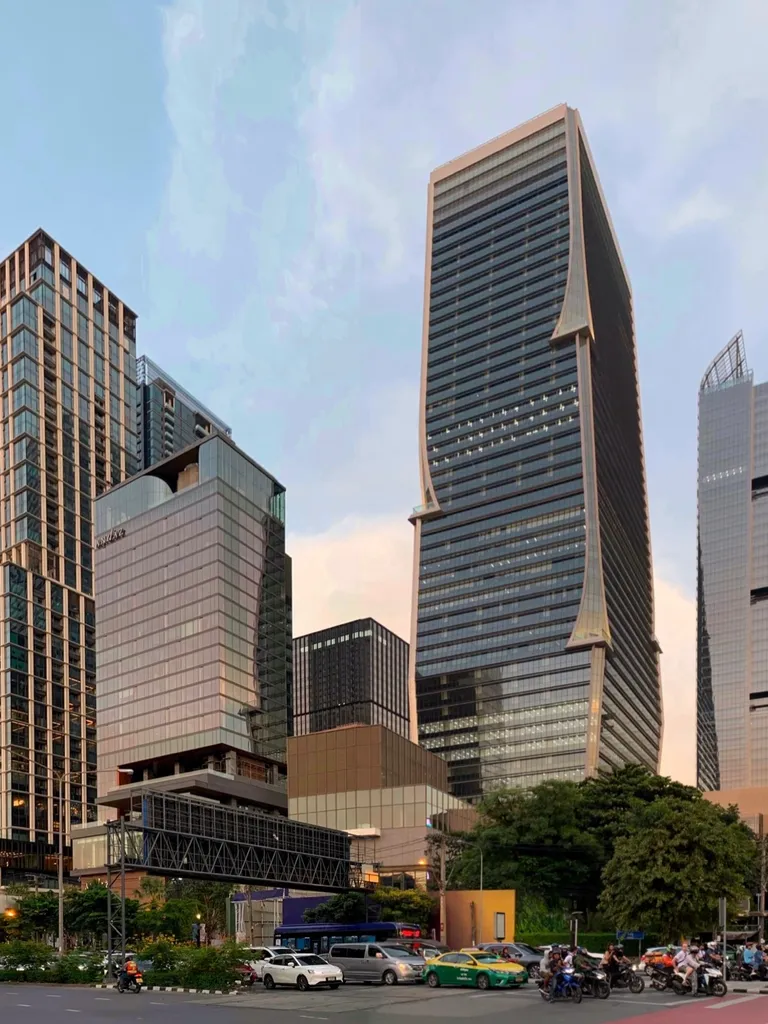
- Technology packages. Building and district systems are often bought outside the construction contract, from many vendors. On One Bangkok, the Smart Services PMO that ddx built for Hitachi Asia managed 22 work packages and about 120 people, with a Senior Scheduler in its core team. Read the Hitachi Asia case study.
- Live assets. Renovating a hotel that stays open means phasing around guests and operations, so the programme has to carry the hotel’s constraints as well as the contractor’s.
Where project controls usually fail
- Records kept after the fact. A cost report or risk register updated by hand at month end is a summary written by someone who already knows how things turned out. It keeps the conclusion and loses the evidence.
- Forecasts that are only budget plus spend. A forecast should be an estimate of what is left to do, not arithmetic on what has been paid.
- Changes agreed on site and recorded later, or never.
- Every contractor reporting in its own format, so the owner’s team spends its time reconciling numbers rather than acting on them.
- A risk register nobody uses to make a decision.
How to set up project controls on a programme
- Agree one structure for the work and the costs at the start, with the same codes across every contract, so the numbers add up across the programme.
- Set and approve the baselines: programme, budget and contingency.
- Write the change procedure: who can approve what, up to which value, and how quickly.
- Fix the reporting cycle and the single set of numbers it uses.
- Put the record on the owner’s side, with contractors’ data flowing into it rather than the owner’s view being built from their reports.
- Staff it. Schedulers, cost managers and a controls lead who reports to the owner.
Where ddx PMO fits
Controls depend on the record beneath them. ddx PMO, our project management office (PMO) platform, builds one live record of every project from the email, chat, tracker and document traffic the teams already produce: each risk, issue, decision and action, linked back to the message it came from. Health rolls up from project to programme to portfolio, and status reports assemble from that record, every line traceable. Documents and drawings sit in its common data environment, with controlled revisions and transmittals. Read more about ddx PMO.
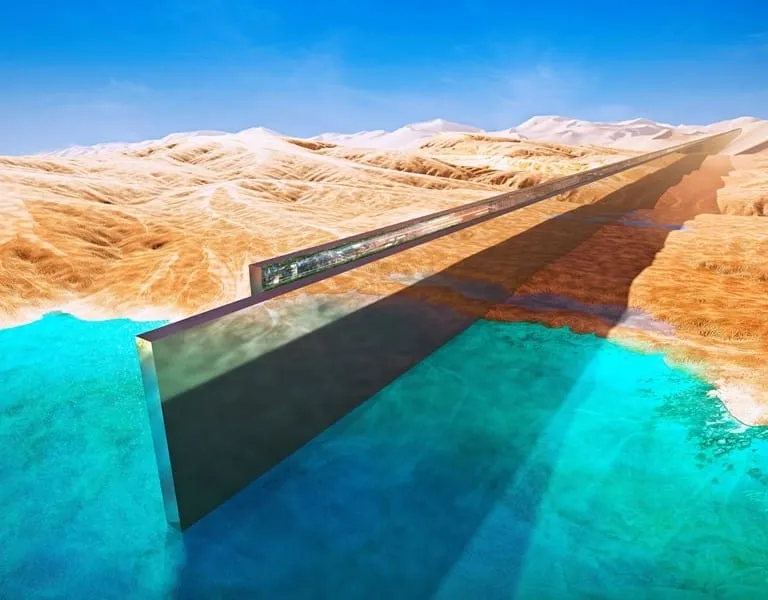
For what owners need from a PMO at the largest scale, read Saudi giga-projects: what owners need from a PMO.
ddx sets up project controls for owners as part of its owner’s representative services and its PMO consultancy.